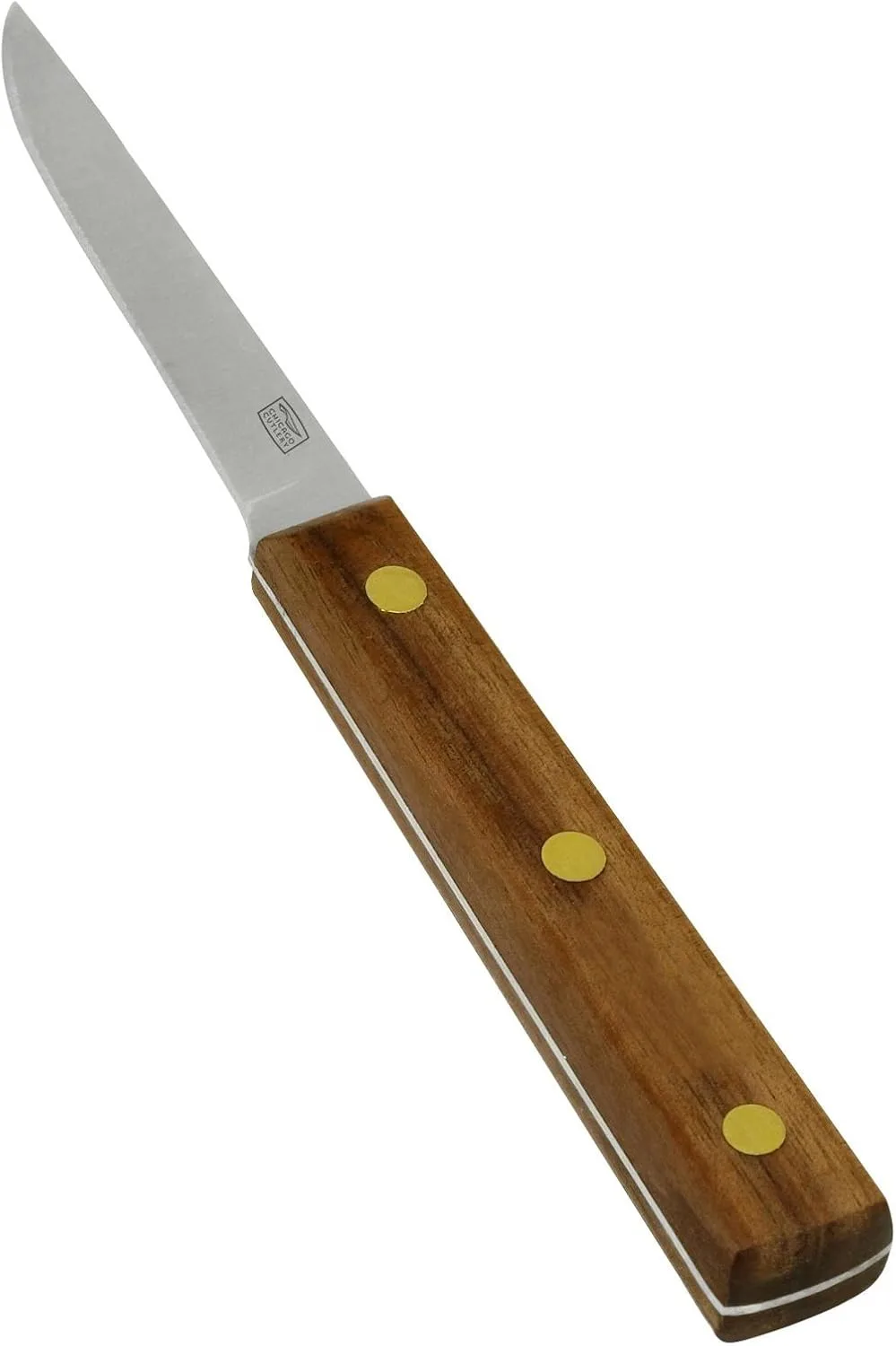
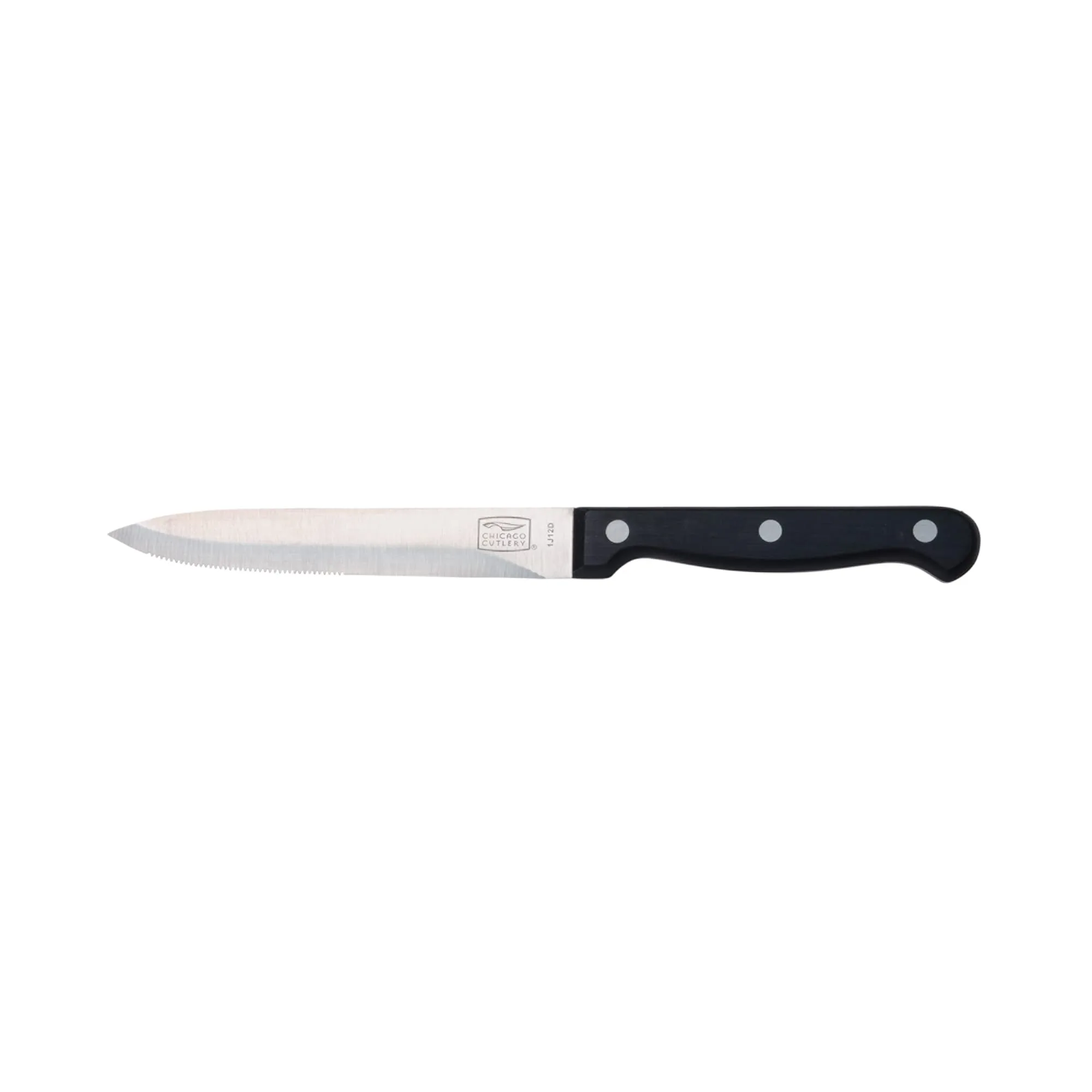
Walnut Tradition 7½-Inch Kitchen Knife
Slim slicing profile with a walnut handle and triple brass rivets. Listed for filleting and general slicing work.
- Size
- 7.5-inch blade
- Handle
- Walnut, triple brass rivet
- Blade
- Stainless steel
Home / Kitchen Knives
Nine knives sold individually, from a 3.5-inch parer to an 8-inch chef knife. Two handle materials, one blade geometry.
Every knife on this page exists in two versions of the same idea. The 8-inch chef knife comes with a walnut handle as the C42SP and with a black polymer handle as the Essentials 8-inch. Same length, same taper-ground edge, same full tang. The difference is what happens at the sink and what the handle does over ten years.
Walnut gets washed by hand and keeps looking like walnut. Polymer goes in the dishwasher on most listings and costs less to replace when it stops looking new.
That single choice repeats across the parer, the utility knife and the bread knife.
Nine knives, ordered by how heavily each is reviewed. Blade lengths run 3.5 to 8 inches.

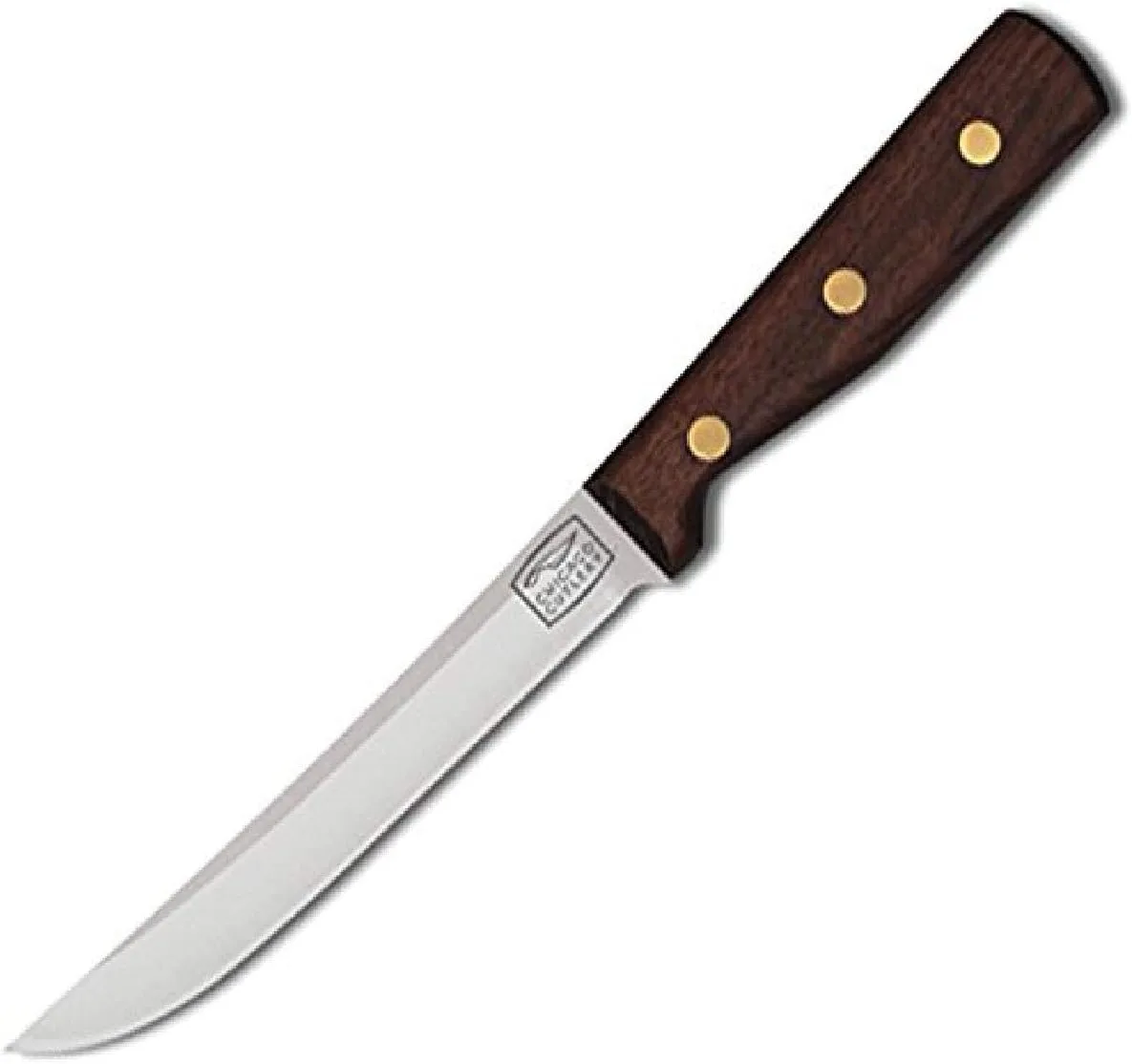
Narrow blade for working around bone, trimming silverskin and breaking down poultry. Walnut handle with triple rivets, full tang, stainless blade. The most reviewed individual knife in the range.

Slim slicing profile with a walnut handle and triple brass rivets. Listed for filleting and general slicing work.

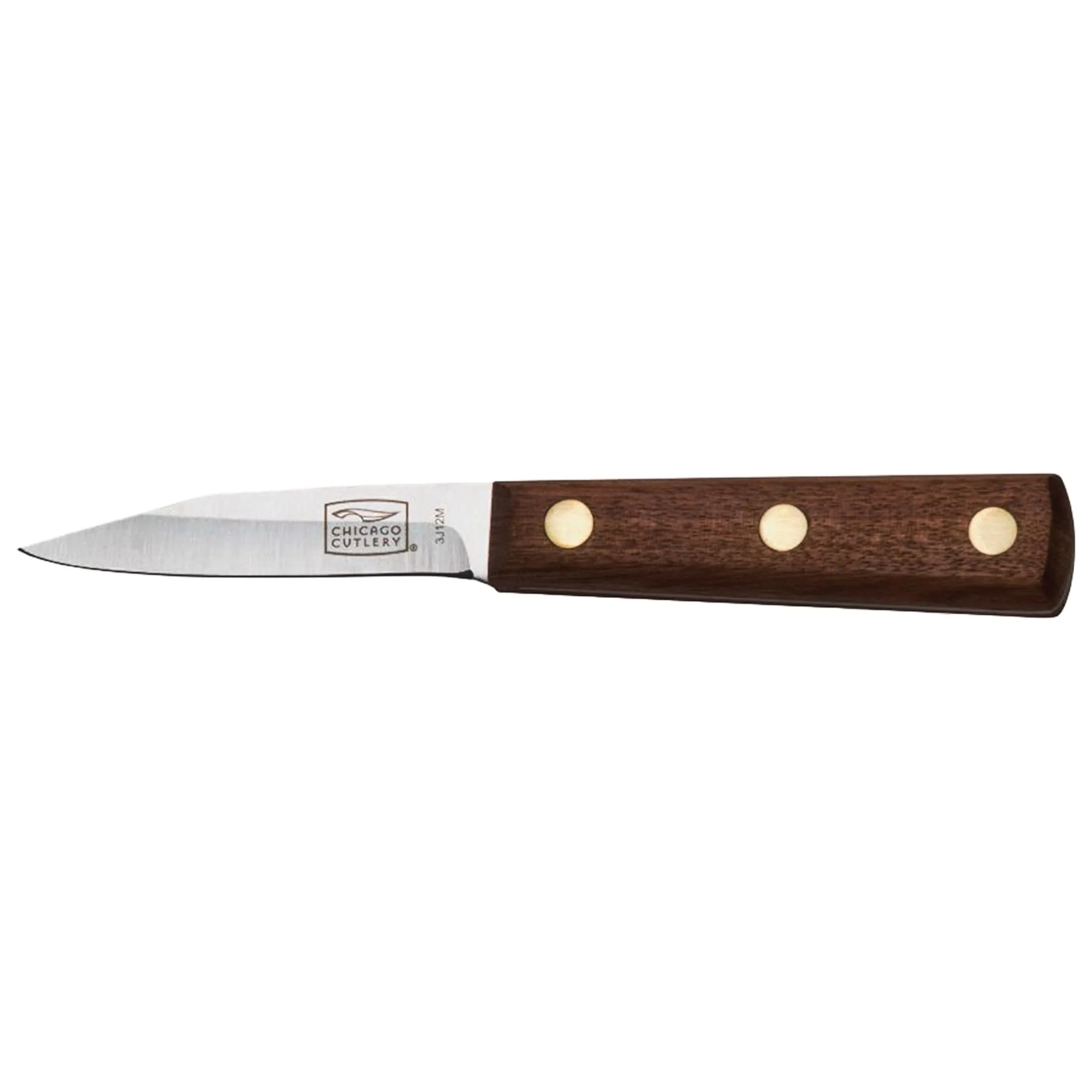
High-carbon stainless blade, black polymer handle, triple compression rivets, full metal tang. Peeling, trimming and detail work.

Long straight blade for roasts and hams. Walnut handle, stainless blade that resists rust, stains and pitting.

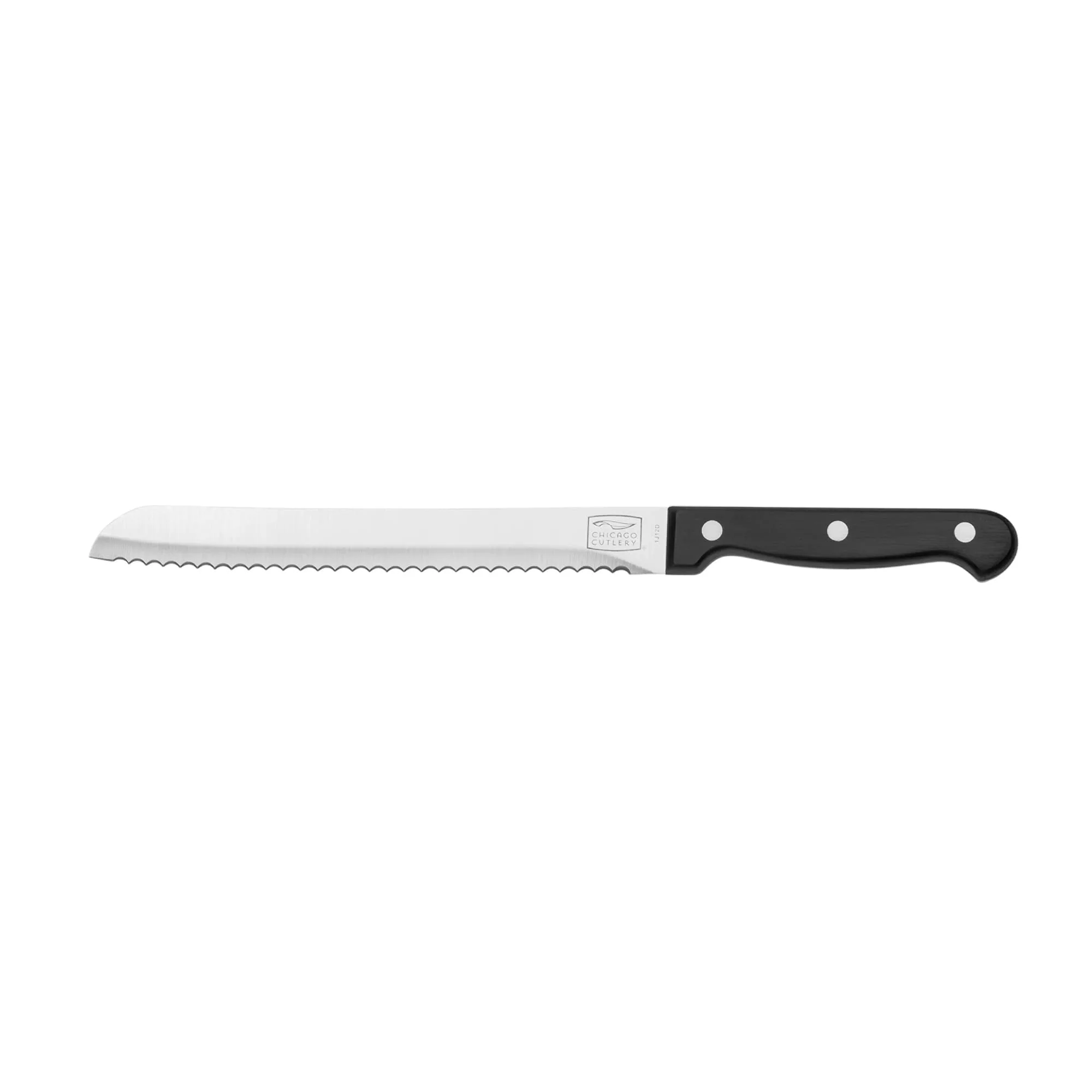
Serrated edge for crusty loaves, scoring and soft fruit. Black polymer handle. Serrated blades cannot be re-sharpened.

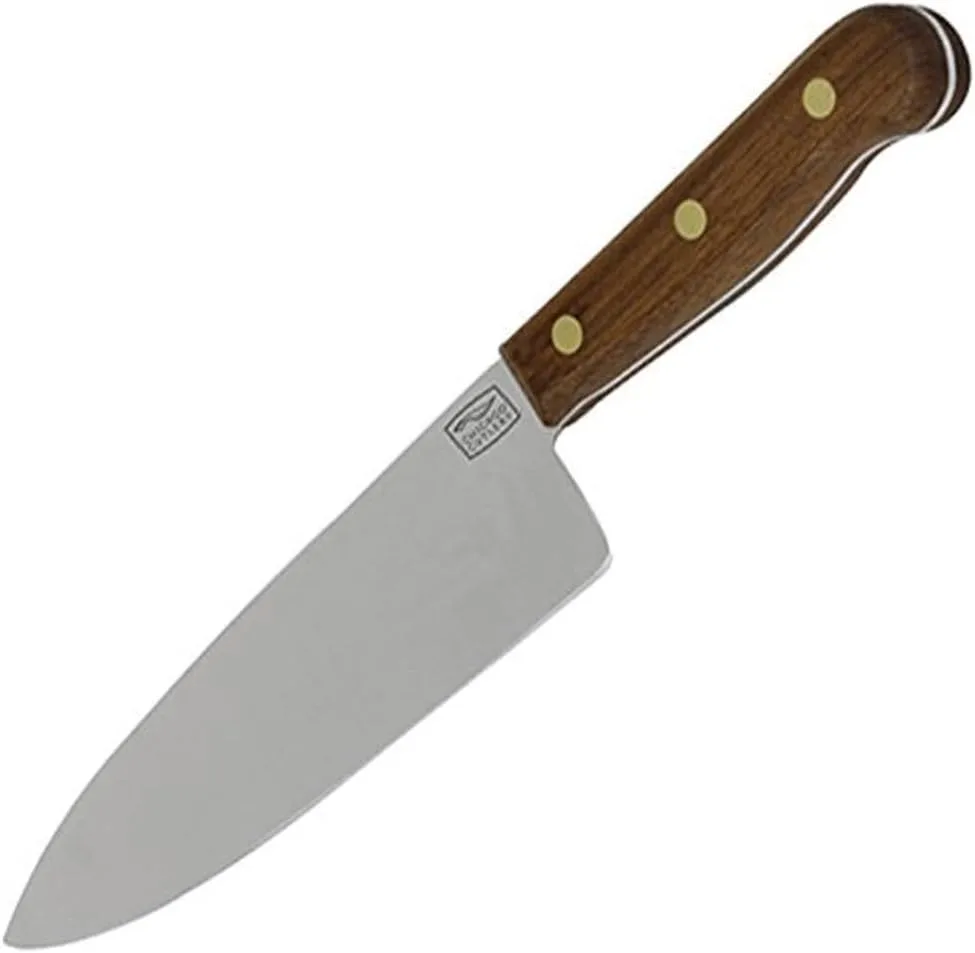
The classic profile: broad blade, walnut handle, stamped construction. This listing states the knife is manufactured in the United States.

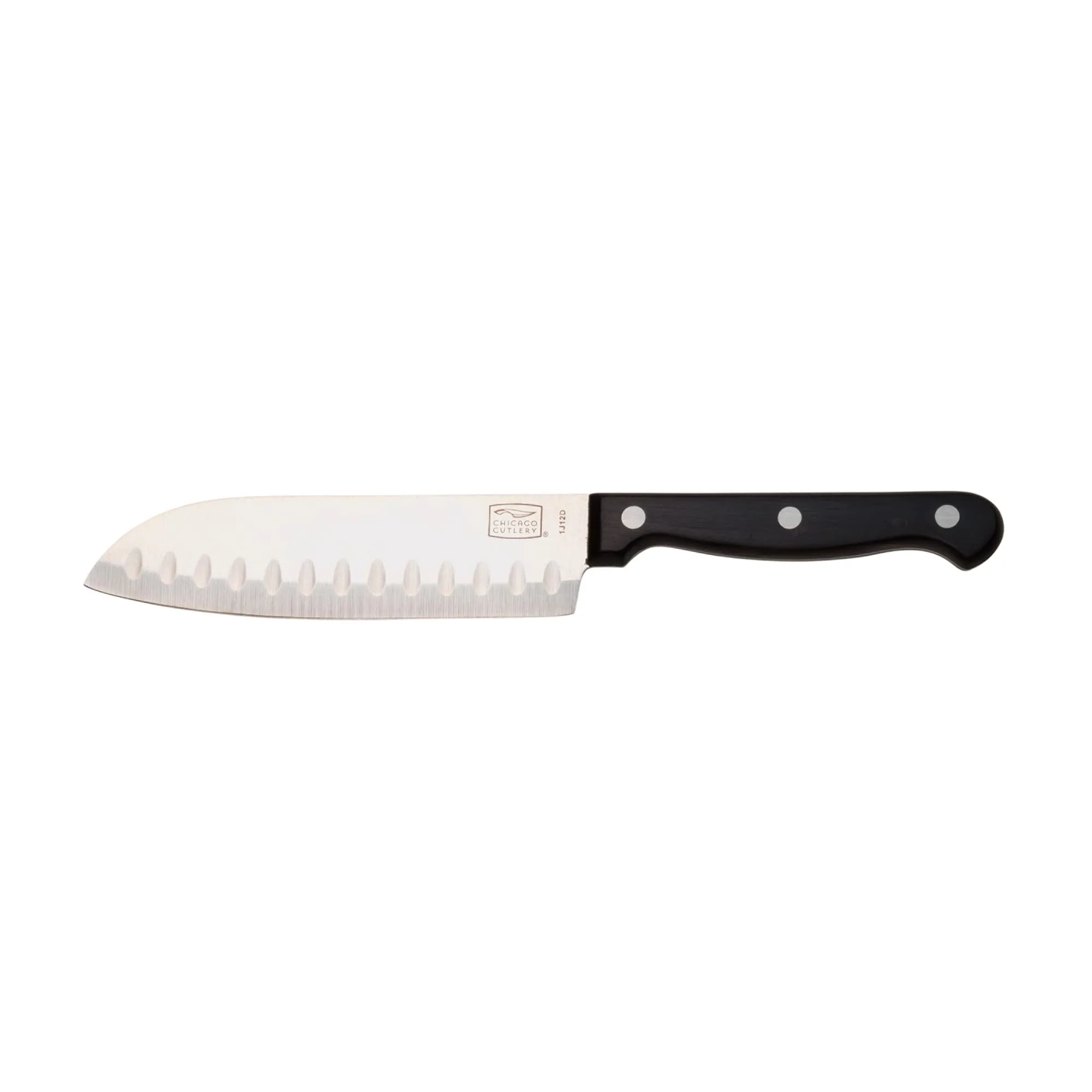
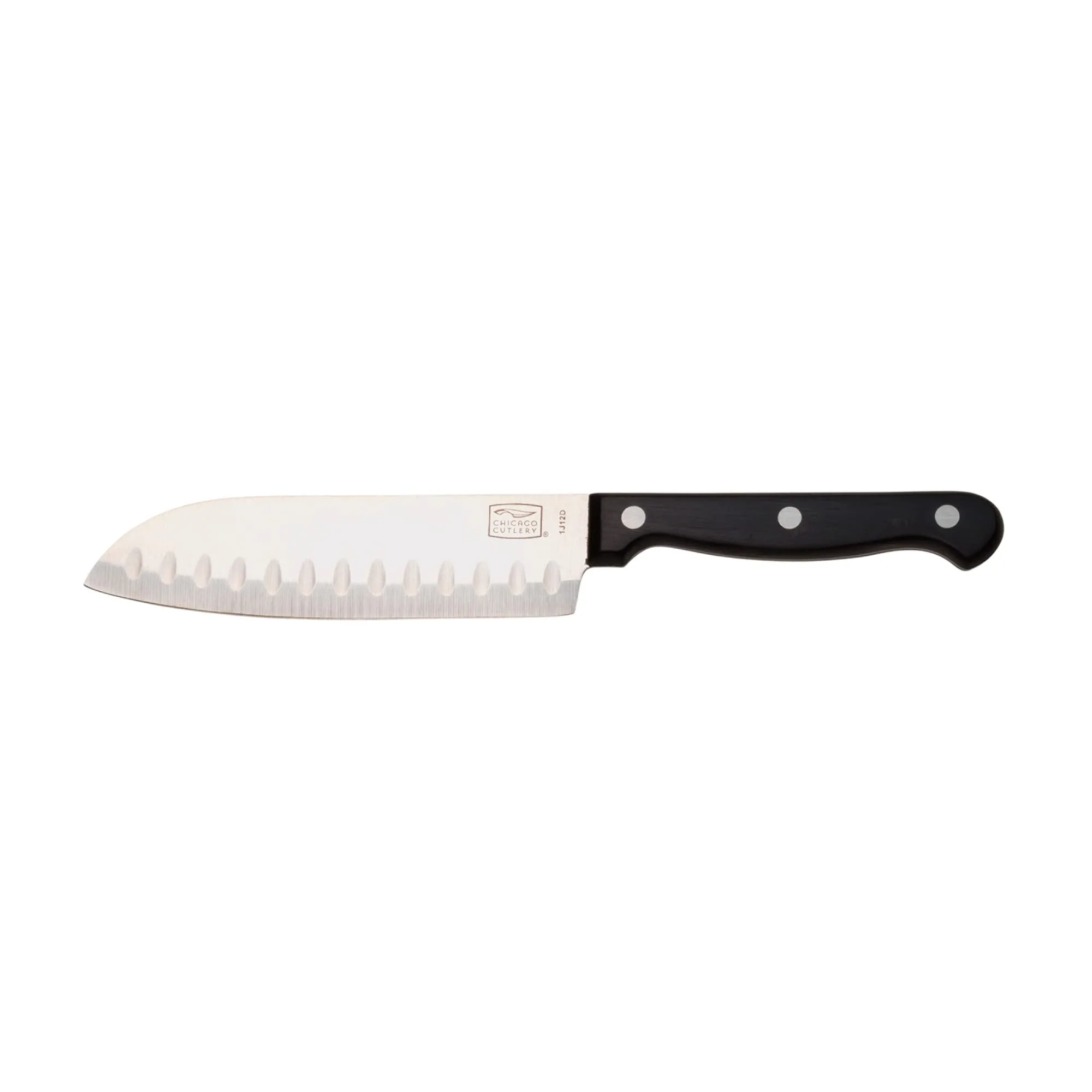
Shorter version of the Santoku shape, straight plain edge, black polymer handle. Vegetables, herbs and small proteins.

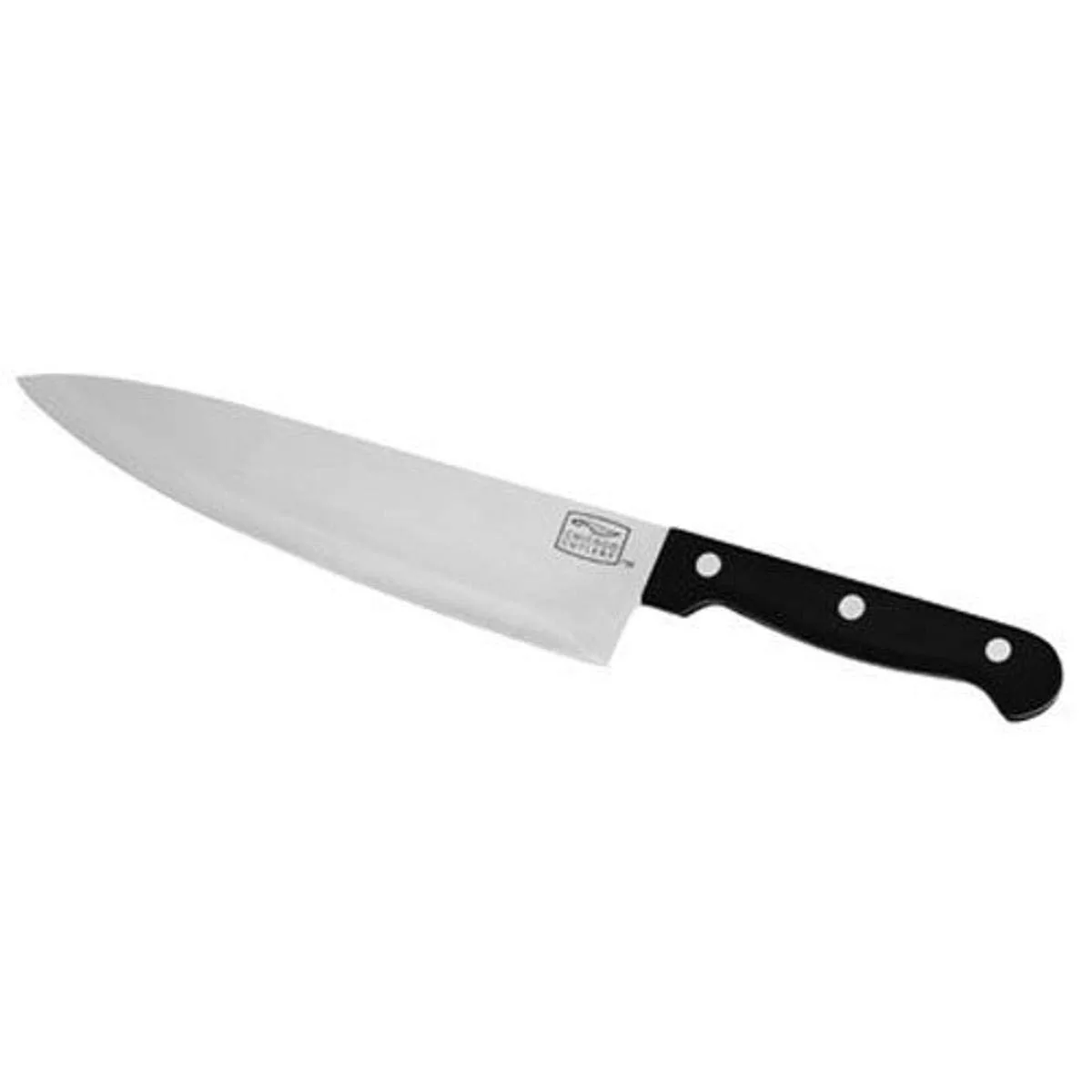
The polymer-handled counterpart to the C42SP. Stainless blade, same 8-inch length.

Sits between the parer and the chef knife. Taper-ground edge, full metal tang, polymer handle.
Nine knives cover four jobs, and the overlap between them is smaller than the names suggest.
The one that does most of the work. Broad enough to rock through onions and herbs, long enough to portion a chicken. Available with a walnut handle as the C42SP and with a polymer handle in the Essentials line.
The parer is for what happens in your hand rather than on the board: peeling, coring, hulling. The 5-inch Partoku is a board knife with a Santoku profile, short enough to control and wide enough to scoop.
Three narrow blades with different curves. The boning knife has the narrowest profile for following bone. The 7½-inch is a slimmer general slicer. The 8-inch slicing and carving knife is straight and long for cutting even slices off a roast.
The bread knife is the only 8-inch serrated blade in the range. The 4¾-inch serrated utility handles tomatoes, sandwiches and citrus without crushing them.

Both lines use a full tang and Chicago Cutlery's taper-ground edge. Two things change between them.
Model numbering follows the same split. Walnut Tradition knives carry letter-prefixed codes: 42SP for the chef knife, 102SP for the boning knife, C61SP for the slicer. Essentials knives use seven-digit numbers such as 1092191 for the bread knife and 1092192 for the serrated utility.
| Model | Line | Blade | Handle | Steel |
|---|---|---|---|---|
| Walnut Tradition 5-Inch Boning Knife | Walnut Tradition | 5-inch blade | Walnut, triple rivet | Stainless steel |
| Walnut Tradition 7½-Inch Kitchen Knife | Walnut Tradition | 7.5-inch blade | Walnut, triple brass rivet | Stainless steel |
| Essentials 3½-Inch Paring Knife | Essentials | 3.5-inch blade | Black polymer | High-carbon stainless steel |
| Walnut Tradition 8-Inch Slicing and Carving Knife | Walnut Tradition | 8-inch blade | Walnut | Stainless steel |
| Essentials 8-Inch Bread Knife | Essentials | 8-inch blade | Black polymer | High-carbon stainless steel |
| Walnut Tradition C42SP 8-Inch Chef Knife | Walnut Tradition | 8-inch blade | Walnut | Stainless steel |
| Essentials 5-Inch Partoku Knife | Essentials | 5-inch blade | Black polymer | Stainless steel |
| Essentials 8-Inch Chef Knife | Essentials | 8-inch blade | Black polymer | Stainless steel |
| Essentials 4¾-Inch Serrated Utility Knife | Essentials | 4.75-inch blade | Black polymer | Stainless steel |
Several Walnut Tradition listings share one attribute panel across a family of variants, so the blade length shown in Amazon's specification block can describe a different knife in the family than the one in the title. Where the two disagree, the length in this table follows the product title.
Blade length and edge geometry are the same. The C42SP has a walnut handle with brass rivets and is hand wash only. The Essentials version has a black polymer handle.
The 8-inch chef knife covers the widest range of tasks. A 3.5-inch parer handles what the chef knife is too large for. Those two plus a serrated bread knife cover most home kitchens.
No. The manufacturer states that sharpeners should not be used on scalloped or serrated edges. Only plain-edge knives can be honed or re-sharpened.
It is part of Chicago Cutlery's older Walnut Tradition model numbering. The current catalog carries 42SP for the 8-inch chef knife, 100SP and 102SP for the smaller Walnut Tradition blades, and C61SP for the slicing knife.
Walnut-handled knives are hand wash. Polymer-handled Essentials knives are listed as dishwasher safe on several product pages, though the manufacturer recommends hand washing for edge retention on all models.
The 5-inch Partoku is the Santoku-profile knife sold individually. Full 7-inch Santoku knives appear inside the block sets and in the two-piece Partoku and Santoku set.
The 5-inch boning knife is the most reviewed individual knife in the range.
Check price on Amazon